
March Can Be the Most Expensive Month for Manhattan Homeowners
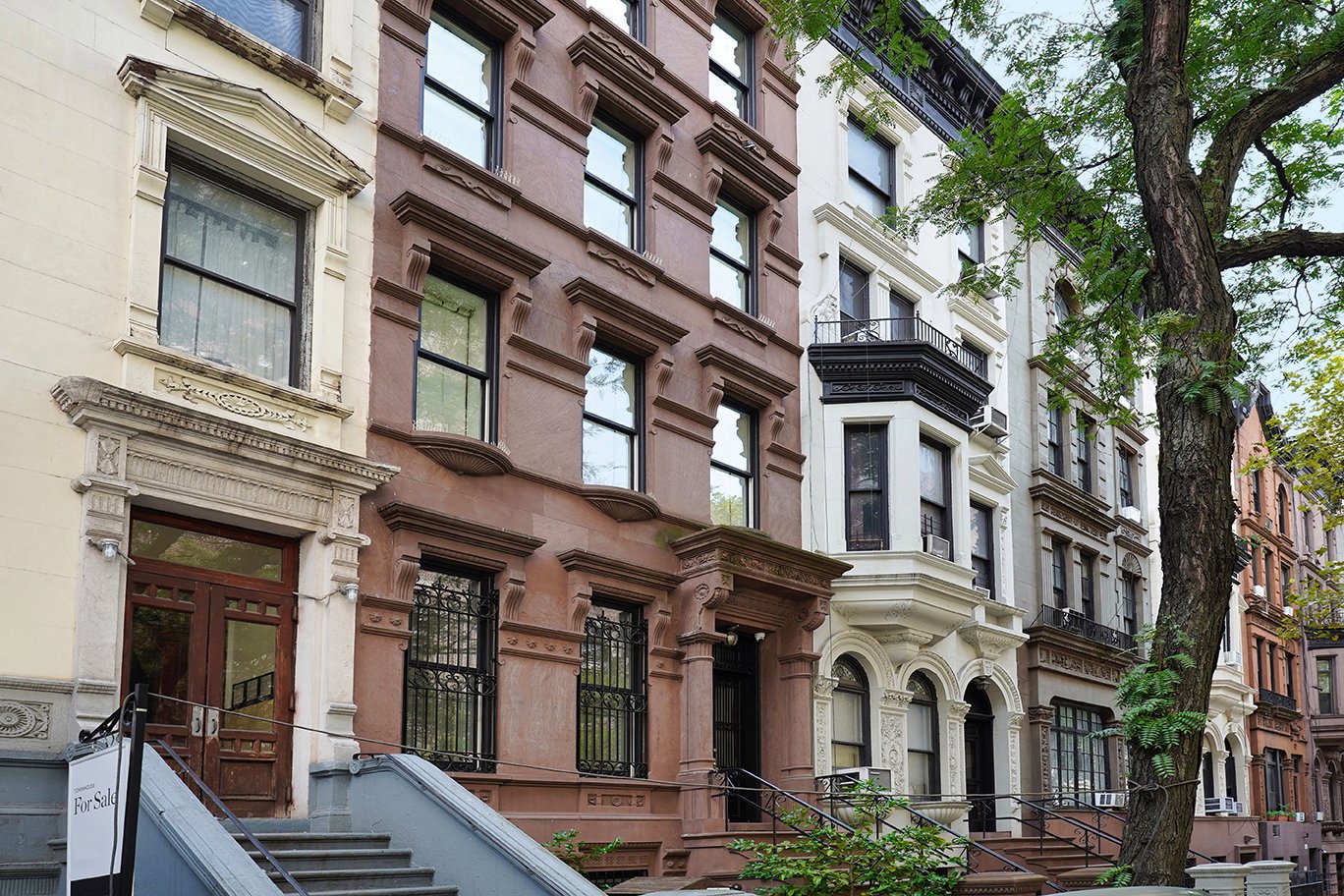
After 20 years of managing townhouses, brownstones, lofts, and co-ops across Manhattan, we’ve noticed an unfortunate trend. March is one of the most dangerous (and costly) months for residential buildings in New York City.
January and February rank at the top, but VERY close behind is March, when winter damage reveals itself. What happens is that small, seemingly inconsequential issues develop throughout winter, only to surface during the freeze–thaw cycle of early spring. By the time most owners realize there’s a problem, water has already traveled where it shouldn’t, materials have already weakened, and repairs have already crossed into five- or six-figure territory.
Nearly all of this damage comes from four building systems. The reason Top Hat Home Services preaches proactive maintenance is that if these systems are regularly inspected, you can potentially avoid major repairs.
The Freeze–Thaw Effect: Why March Is So Destructive
New York winters create a perfect storm of stress on buildings. Materials contract in freezing temperatures, then rapidly expand as conditions warm. Snow melts, refreezes, and melts again. Water searches for entry points.
This constant expansion and contraction weaken:
Roof membranes
Mortar joints
Brick and stone facades
Window seals
Plumbing connections
Drainage systems
During the coldest months, problems stay hidden beneath ice and snow. In March, the thaw exposes them. It’s not when the issues begin, it’s when they become visible. That’s because water begins to flow, pressure changes inside pipes and roof drains become overwhelmed.
The Four Systems Responsible for 90% of Major March Damage
Year after year, the New York City Department of Buildings ranks façade deterioration and exterior safety failures among the most common compliance issues. Expensive property damage can be traced to failures in four core systems:
Roofs and drainage
Plumbing systems
Freeze–thaw exterior stress points
Building facades and exterior safety components
1. Roofs & Drainage: The Front Line of Defense
Flat roofs dominate residential construction to make the best use of square footage. This design allows for roof decks, storage of mechanical equipment, water towers and continuous roof lines. Another reason is that many of our city’s historic brownstones were built in the 1800s, when it was more economic and faster to build a flat roof. This makes it more difficult for water to drain. If that drainage is compromised in any way, the water has to go somewhere. Often that somewhere is through the foundation or ceilings. If you’ve got a lower roof than your neighbor, you’re even more vulnerable to damage. Another unfortunate fact is that NYC buildings don’t get as much sunlight, leading to slower snow and ice melt. Roofs require ongoing maintenance — particularly around drains, flashing, and parapet walls.
Without ongoing maintenance, you can expect:
Blocked roof drains
Ice dams along parapets
Water pooling
Membrane separation
Compromised flashing
2. Plumbing Systems: The Thaw Trap
Yes, January and February are typically the most popular months for burst pipes. But a very close second is March. March's warmer temperatures can trigger bursts from pipes that froze during the winter. The pressure shifts inside your pipes, taking advantage of weak connections, aging joints, and brittle materials.
This leads to:
-Hidden wall leaks
-Ceiling collapses
-Mold growth
-Electrical system damage
Manhattan’s older buildings, including townhouses and brownstones, may have plumbing systems with decades-old piping. Even in modern loft conversions and co-ops, distribution systems run through tight chases where leaks go unnoticed until significant damage has occurred.
March is when plumbing inspections pay for themselves many times over.
3. Freeze–Thaw Stress on Building Exteriors
Brick, stone, concrete, and mortar joints all expand and contract at different rates. Over time, this creates:
Hairline facade cracks
Mortar degradation
Lintel separation
Water intrusion pathways
Small cracks that appear cosmetic in October can become active water channels by March. Water penetrates exterior walls, saturates insulation, travels along steel supports, and eventually appears inside living spaces, often far from the actual point of entry.
Without proactive inspection, these pathways can remain active for years, leading to chronic leaks, structural degradation, and interior mold conditions.
4. Facade & Exterior Safety Risks
The Insurance Information Institute reports that falling debris and water intrusion are primary drivers of costly property claims. Ice shedding, loosened masonry, compromised cornices, and unstable railings all become significant hazards during the thaw cycle. In Manhattan, property owners bear full legal responsibility for:
Falling ice
Dislodged masonry
Slippery sidewalks
Unsecured exterior elements
The financial exposure here extends far beyond repair costs. Liability claims can quickly escalate into serious legal and insurance issues. Routine facade inspections during March drastically reduces these risks.
Why Regular Home Maintenance Saves Six Figures
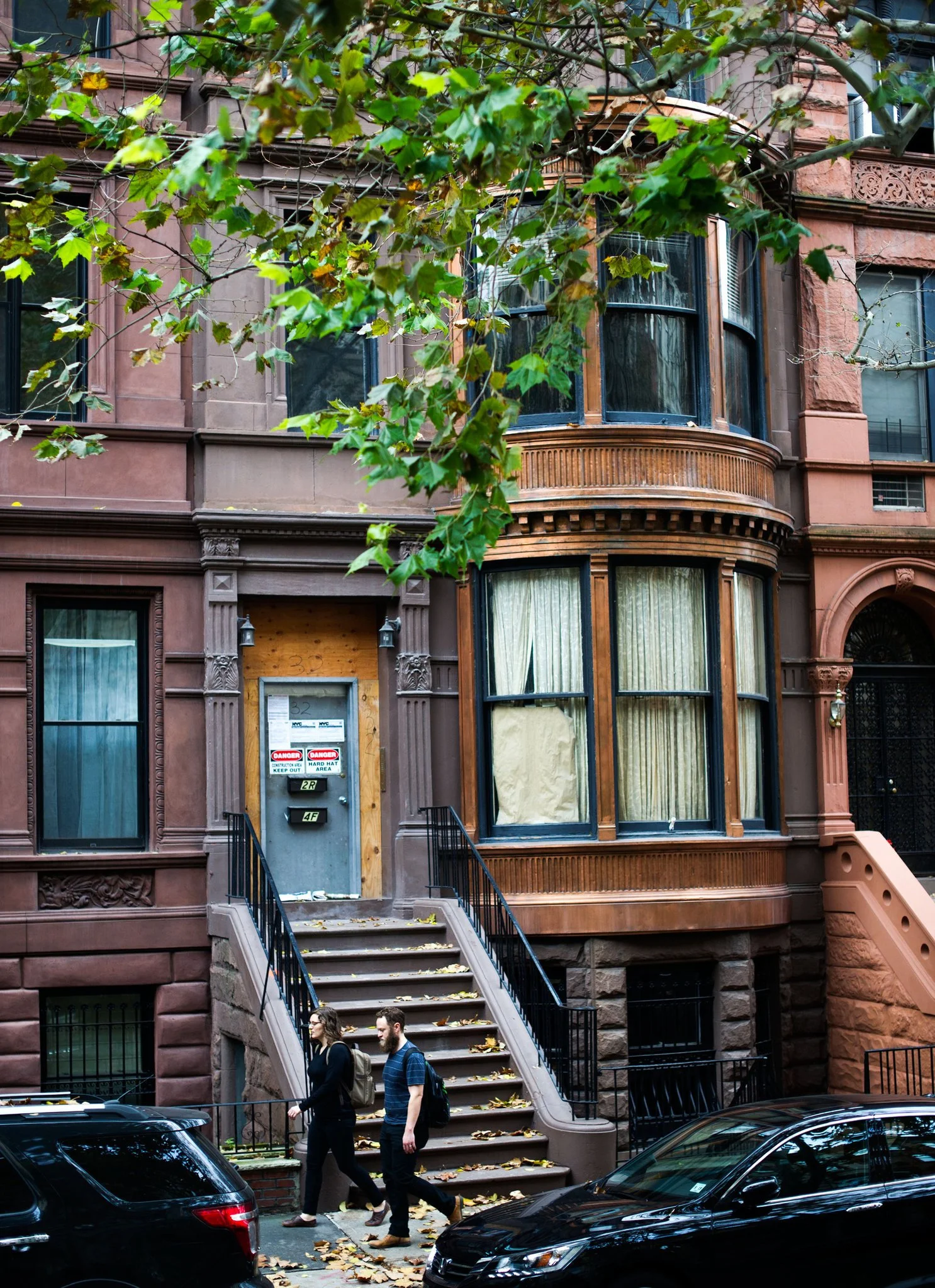
Photo courtesy of The New York Times
The difference between a $500 inspection and a $150,000 insurance claim is often a matter of days. Small leaks that are caught early can typically be resolved through:
Minor flashing repairs
Drain clearing
Localized plumbing fixes
Targeted masonry repointing
Left unattended, those same issues can lead to:
Full ceiling and wall replacement
Flooring damage
Mold remediation
Electrical system replacement
Structural steel repairs
March is the time to act decisively and schedule repairs. As property managers, we routinely inspect clients’ homes from roof to basement.
What Smart Manhattan Owners Focus on in March
After 20 years in this industry, I recommend that homeowners, boards, and owners of investment properties prioritize four inspections every March:
Roof & Drainage Inspection
Clear drains, inspect membrane seams, examine parapet flashing, and assess any areas of standing water.
Plumbing System Review
Check exposed piping, test water pressure stability, inspect mechanical rooms, and review historical leak areas.
Exterior Walkaround
Identify new cracks, deteriorating mortar joints, lintel movement, and seal failures around windows.
Interior Leak Monitoring
Scan top-floor ceilings, window frames, baseboards, and mechanical chases for subtle moisture stains.
These four actions alone dramatically reduce the probability of major damage.
March is Home Disaster Prevention Month
Maybe it’s not officially home disaster prevention month. But in our books, it is. This is the time to be proactive, not reactive. It’s an opportunity to correct winter stress before it becomes structural failure. Buildings operate more efficiently, experience fewer emergencies, and incur significantly lower long-term maintenance costs with consistent, comprehensive inspection.
One Simple Lesson from Two Decades in the Field
Every March, the Top Hat Home Services team walks through homes that look perfect from the outside yet hide thousands of gallons of water where it doesn’t belong. If there’s one thing to remember, please know that March is not the end of winter. It is the beginning of accountability. An inspection now protects your property, your finances, and your peace of mind for the entire year ahead.
Gary Mindlin is co-founder and owner of Top Hat Home Services, a full-service property care and management company. Top Hat services homes in Manhattan and are known as experts in every aspect of building management, maintenance and repair, as well as renovation and construction supervision.